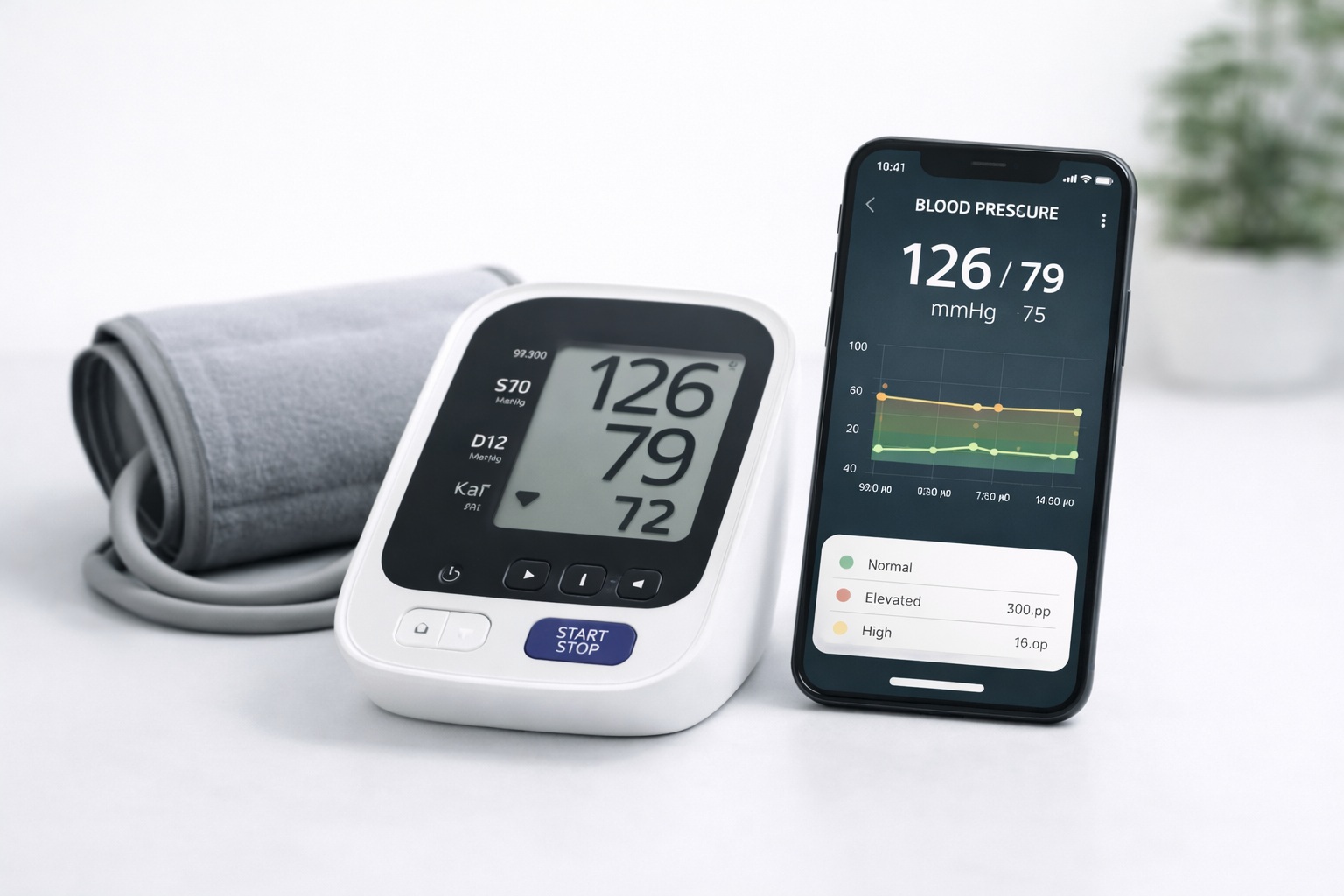
Tracking blood pressure at home can be one of the simplest and most useful ways to keep an eye on long-term health. For many adults, it adds an important layer of context alongside smart scales, continuous glucose monitors, sleep, activity, and other health metrics that shape overall metabolic health.
The best blood pressure monitor is not just the one with the most features. It is the one you will actually use consistently, with a cuff that fits correctly, readings you can trust, and a setup simple enough to turn into a lasting habit. Clinical guidance generally favors automatic upper-arm monitors over wrist devices for home use, and validated accuracy should come before flashy extras.
In this guide, we focused on upper-arm home blood pressure monitors that are built for real-world use. We prioritized validated devices, cuff fit, app experience, ease of use, portability, and overall value for people trying to track health more consistently at home.
Disclosure: This article may contain affiliate links. If you purchase through them, we may earn a small commission at no additional cost to you. We only recommend products we believe provide value for home health tracking.
🏆 EDITOR’S PICK
Omron Evolv
Best overall blood pressure monitor for most people thanks to its validated accuracy, tube-free all-in-one design, app syncing, and unusually clean daily-use experience. It is the strongest balance of portability, simplicity, and long-term usability for home tracking.
Key Takeaways
- Omron Evolv is the best overall choice for most Qualified Living readers because it combines validated accuracy with a compact, travel-friendly design and simple routine use.
- Withings BPM Connect is the best smart monitor if app experience, Wi-Fi syncing, and polished long-term tracking matter most to you.
- Omron 7 Series BP7360 is the best everyday value pick if you want a more traditional monitor with Bluetooth and an easy-wrap cuff.
- A&D Medical UA-651BLE stands out if cuff sizing flexibility matters.
- Microlife BP B6 Connect is a strong fit for data-oriented users who want extra screening features and deeper averaging tools.
Best Blood Pressure Monitors for Home Health Tracking: Comparison
A quick note on accuracy: even a good home monitor depends on proper cuff fit and correct use. Choose a validated upper-arm monitor, make sure the cuff size fits your arm, and bring the monitor to a clinician visit if you want to check your technique and compare readings.
| Monitor | Best For | Key Strength | Connectivity | Cuff Range | Price Tier | Rating |
| Omron Evolv | Best Overall | Compact all-in-one design | Bluetooth | 22–42 cm | Premium | 4.9/5 |
| Withings BPM Connect | Best Smart Monitor | Wi-Fi + polished app | Wi-Fi + Bluetooth | 22–42 cm | Premium | 4.8/5 |
| Omron 7 Series BP7360 | Best Everyday Value | Easy-wrap cuff + app syncing | Bluetooth | 9″–17″ | Upper mid-range | 4.7/5 |
| A&D Medical UA-651BLE | Best for Cuff Fit Flexibility | Multiple cuff options | Bluetooth | 16–45 cm depending on cuff | Mid-range | 4.6/5 |
| Microlife BP B6 Connect | Best for Advanced Tracking | AFib tools + averaging | Bluetooth | 22–42 cm | Upper mid-range | 4.6/5 |
| Greater Goods 0663 | Best Budget Bluetooth Pick | Validated + affordable | Bluetooth + app | 22–42 cm | Budget | 4.4/5 |
How We Chose the Best Blood Pressure Monitors
To identify the best blood pressure monitors for home health tracking, we prioritized devices that are validated for clinical accuracy and practical enough for consistent home use. That means we cared about more than just whether a monitor can produce a reading. We looked at whether it is easy to put on, whether the cuff size is workable for real adults, whether the app helps make trends visible, and whether the monitor fits into a real-life routine.
We also gave extra weight to features that matter for long-term health tracking: Bluetooth or Wi-Fi syncing, multi-user support, portability, useful averaging functions, and simple displays that reduce friction. For most people, the best device is the one they will use repeatedly and correctly.
What we prioritized
- Validation for clinical accuracy
- Automatic upper-arm cuff design
- Correct cuff sizing options
- Ease of setup and daily use
- App quality and trend tracking
- Portability and storage
- Overall value for long-term home monitoring
Best Overall: Omron Evolv
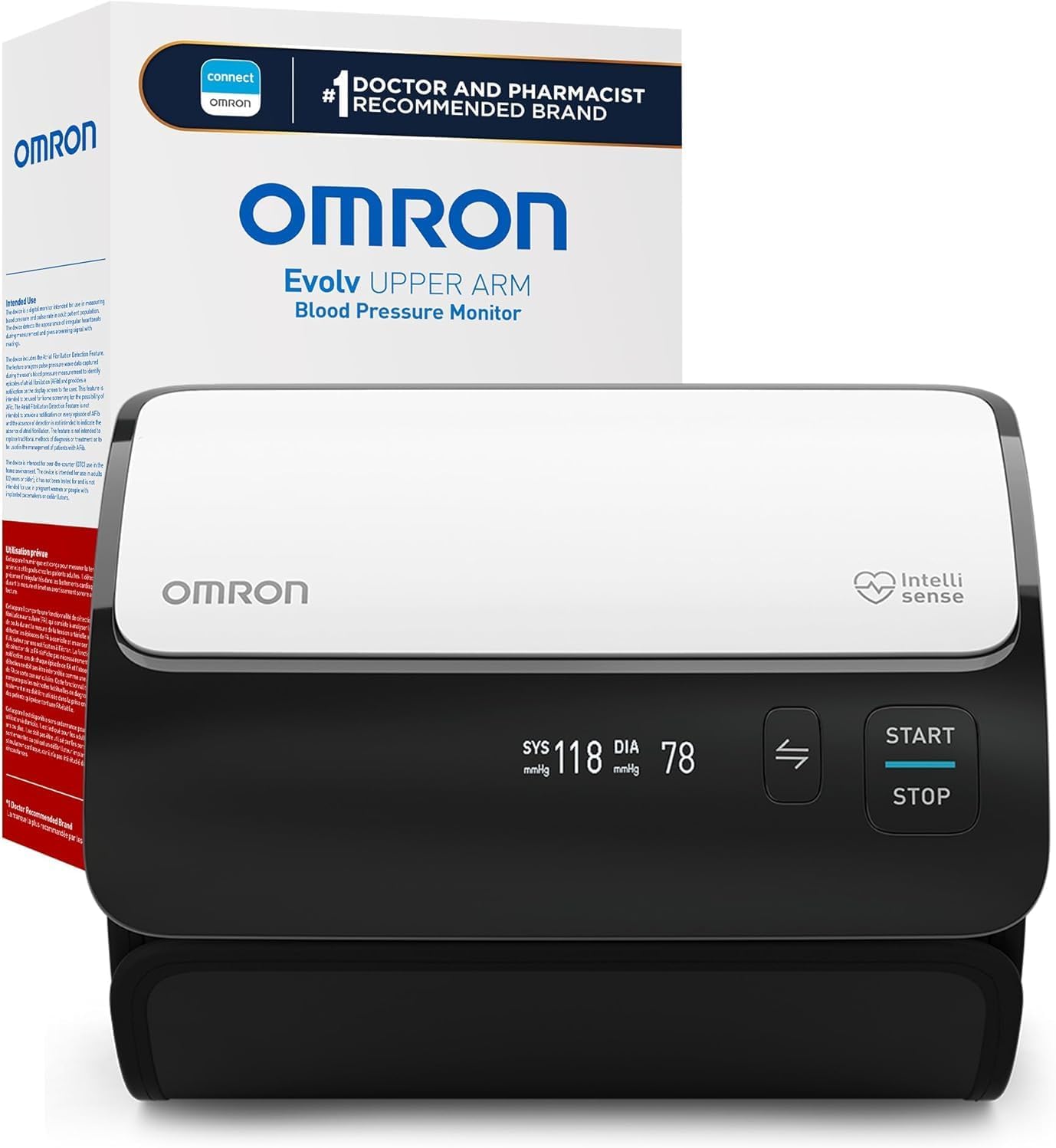
Best for people who want the best overall blood pressure monitor for home health tracking, especially if they value simplicity, portability, and a cleaner daily-use experience.
The Omron Evolv is the strongest overall pick for most Qualified Living readers because it removes a lot of the friction that makes home blood pressure tracking annoying. Its all-in-one design eliminates the usual tube-and-console setup, which makes it easier to grab, use, and put away.
It is also not just convenient. The Evolv is a validated upper-arm monitor with Bluetooth syncing, making it a strong fit for people who want dependable readings and an easier long-term home tracking routine.
Why We Like It
- Validated for clinical accuracy
- Compact all-in-one design with no separate tubing
- Bluetooth syncing for trend tracking
- Strong fit for travel, small spaces, and daily use
- Feels more streamlined than many traditional home monitors
Potential Downside
The biggest tradeoff is price. The Evolv is usually more expensive than standard upper-arm monitors, and some people may still prefer a traditional base-unit design with a larger separate display.
Best Smart Monitor: Withings BPM Connect
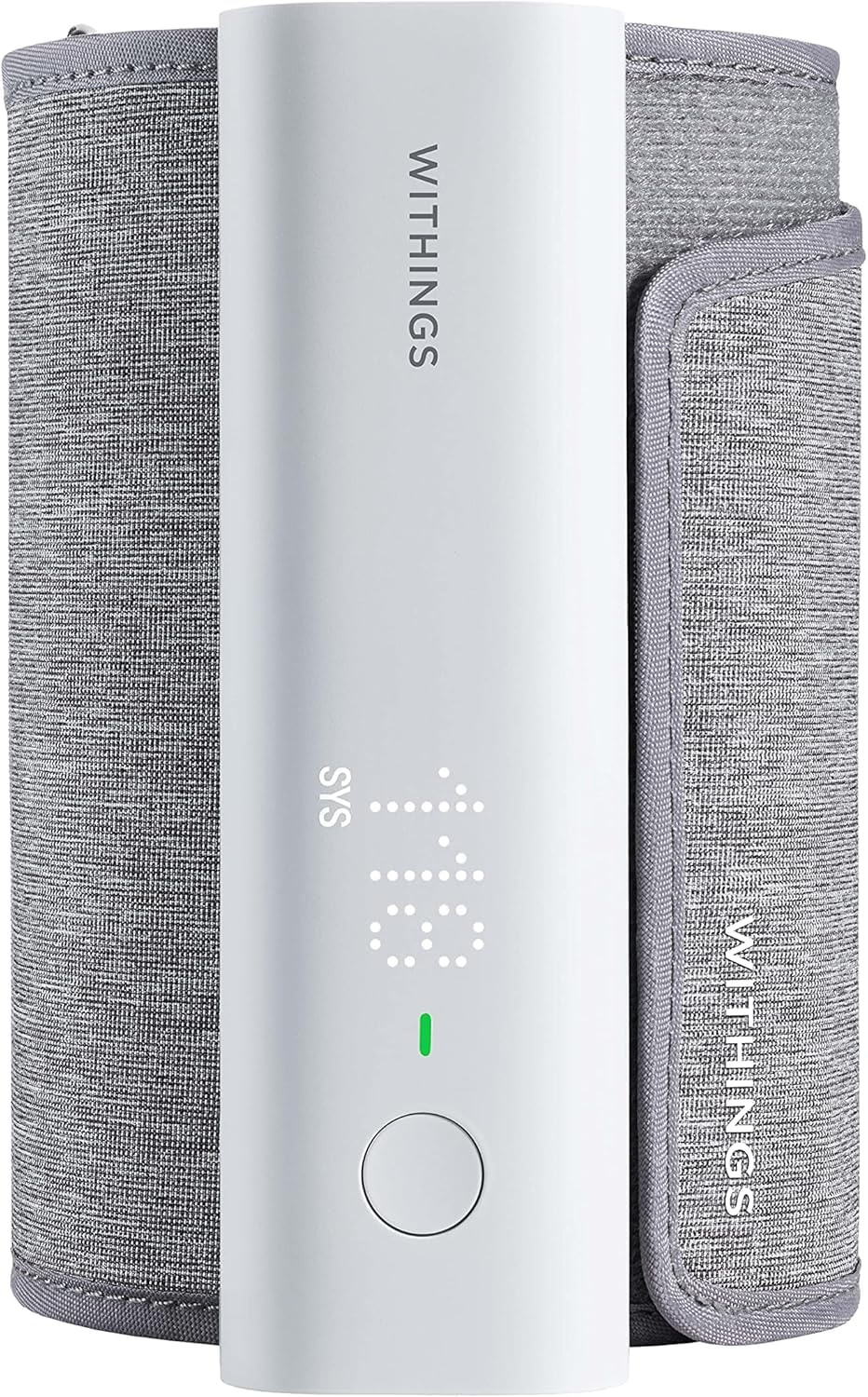
Best for people who want the best blood pressure monitor app experience, automatic syncing, and a more connected health-tracking setup.
If your goal is not just taking a reading but building a smarter home health dashboard, Withings BPM Connect is the best fit. It stands out for its polished app experience and automatic syncing options.
For Qualified Living readers already interested in connected health devices, this is the monitor that feels most naturally aligned with that ecosystem. It pairs especially well with a setup that already includes a smart scale and other app-connected health tracking tools.
Potential Downside
This is a premium-priced device, and it makes the most sense if you actually care about app experience and syncing. If you just want a basic validated monitor, there are less expensive options.
Best Everyday Value: Omron 7 Series BP7360
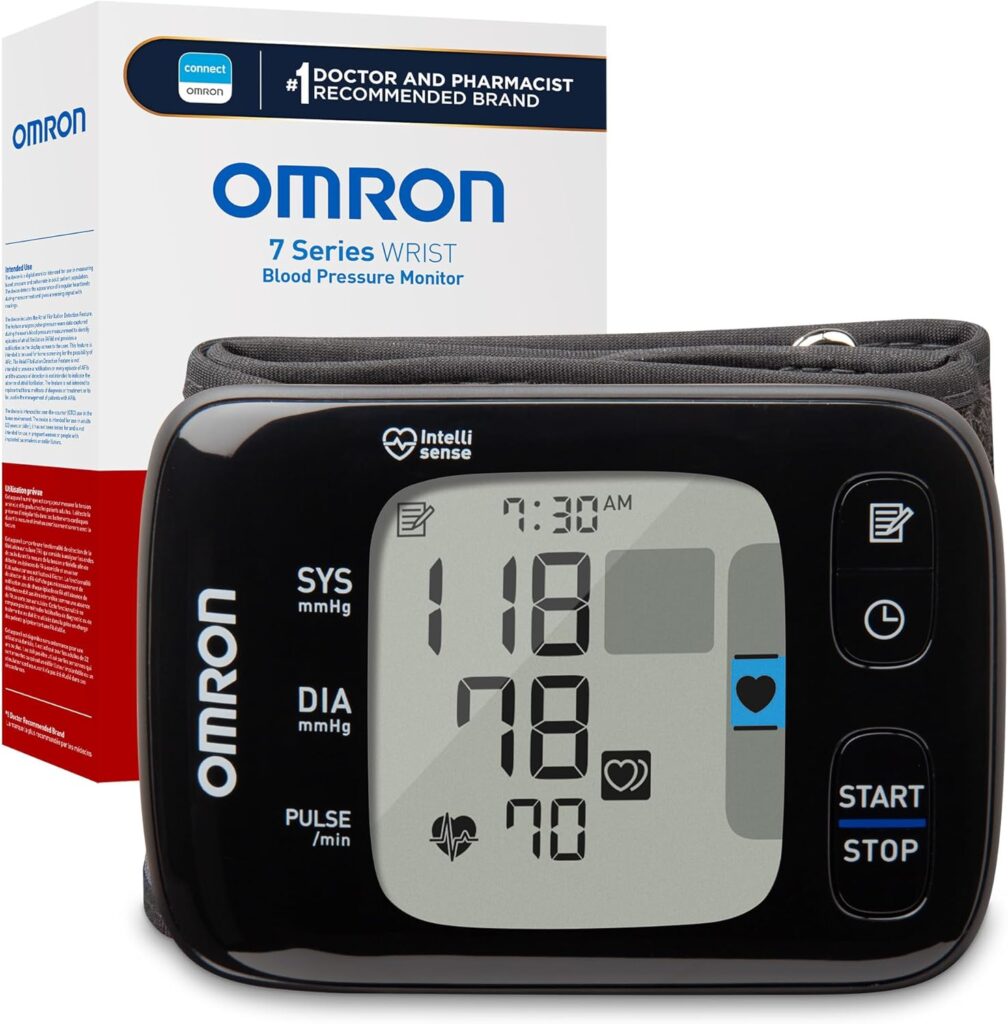
Best for people who want a dependable, traditional upper-arm monitor with a strong mix of usability, validation, and app support.
The Omron 7 Series BP7360 sits in a sweet spot between premium and practical. It gives you a familiar tabletop design while still offering app syncing and a user-friendly cuff.
For many households, this is the safest default option if the Omron Evolv feels too expensive or too specialized.
Why We Like It
- Validated for clinical accuracy
- Bluetooth syncing to the Omron app
- Easy-Wrap cuff is more forgiving than many standard cuffs
- Familiar tabletop design
- Good mix of features and price
Potential Downside
It is less compact than the Evolv and less polished from an app-and-design perspective than the Withings BPM Connect.
Best for Cuff Fit Flexibility: A&D Medical UA-651BLE
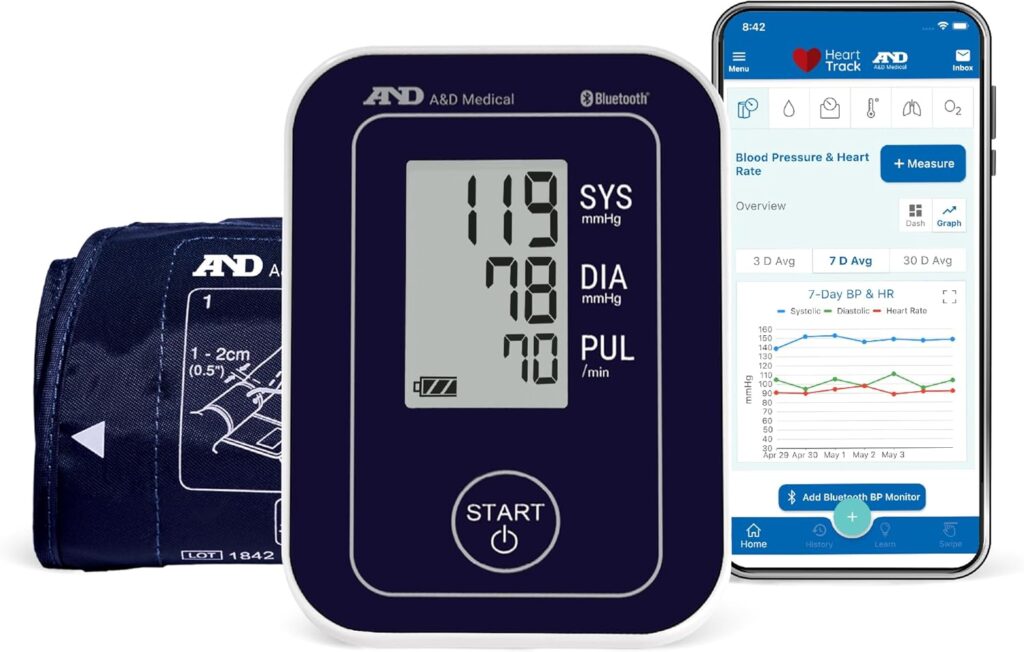
Best for people who want a validated monitor with broader cuff-size flexibility, especially if standard one-size options may not fit well.
One of the easiest ways to get misleading readings at home is to use the wrong cuff size. That is why the A&D Medical UA-651BLE stands out.
This pick makes sense for buyers who care less about sleek design and more about getting a cuff size that actually works.
Why We Like It
- Validated monitor with multiple cuff-size options
- Bluetooth and app connectivity
- Great choice if cuff fit is your top priority
- Good for households needing more flexibility
Potential Downside
The design and app experience are not as premium-feeling as Omron or Withings.
Best for Advanced Tracking Features: Microlife BP B6 Connect
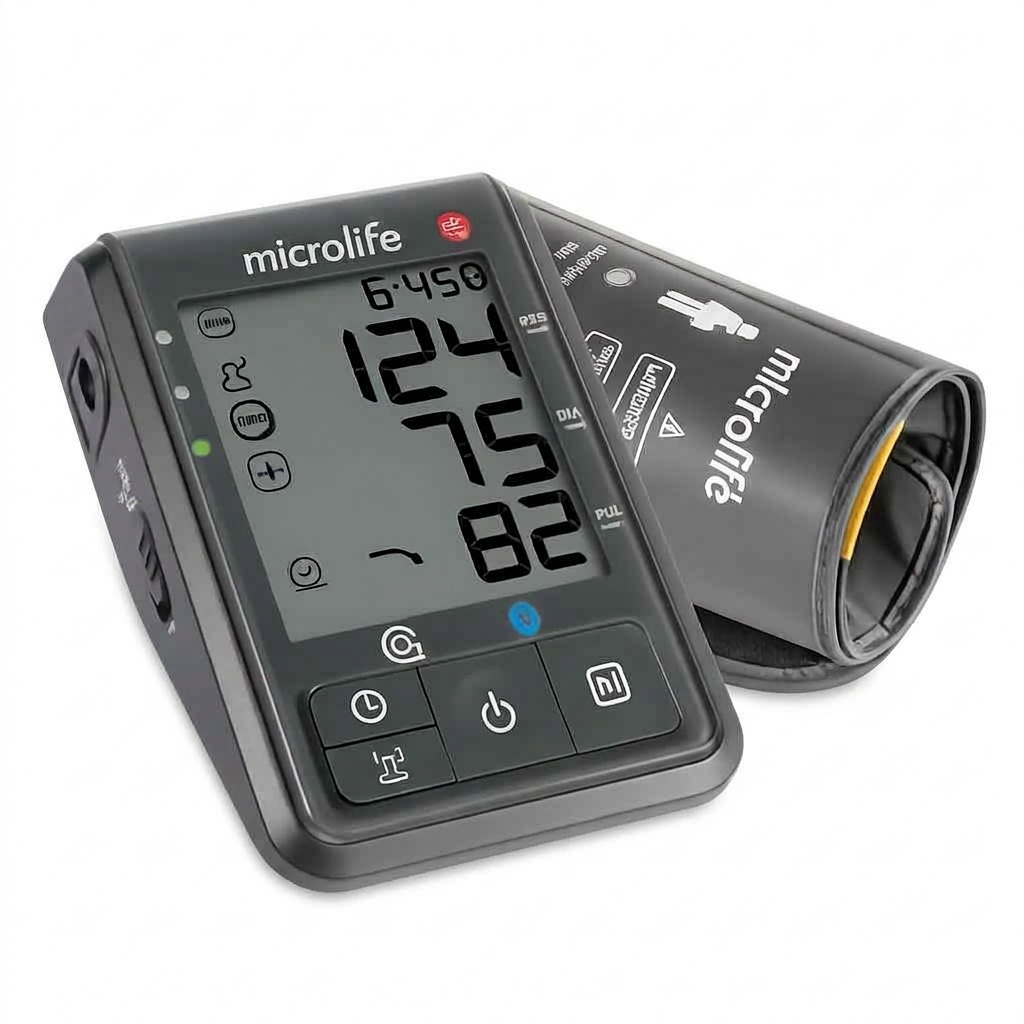
Best for data-minded users who want extra screening and averaging tools in a validated home monitor.
The Microlife BP B6 Connect is a strong fit for people who want more than basic blood pressure readings. It appeals to users who like deeper tracking features and more built-in measurement tools.
It is a good fit for readers who enjoy reviewing patterns over time and want more than a simple read-and-forget experience.
Why We Like It
- Validated for clinical accuracy
- Bluetooth connectivity and app support
- AFib and irregular heartbeat detection features
- Helpful averaging and cuff-check tools
- Good for detail-oriented users
Potential Downside
It is more feature-dense than many people need. If your goal is just quick, simple readings, this may be more complexity than necessary.
Best Budget Bluetooth Pick: Greater Goods 0663
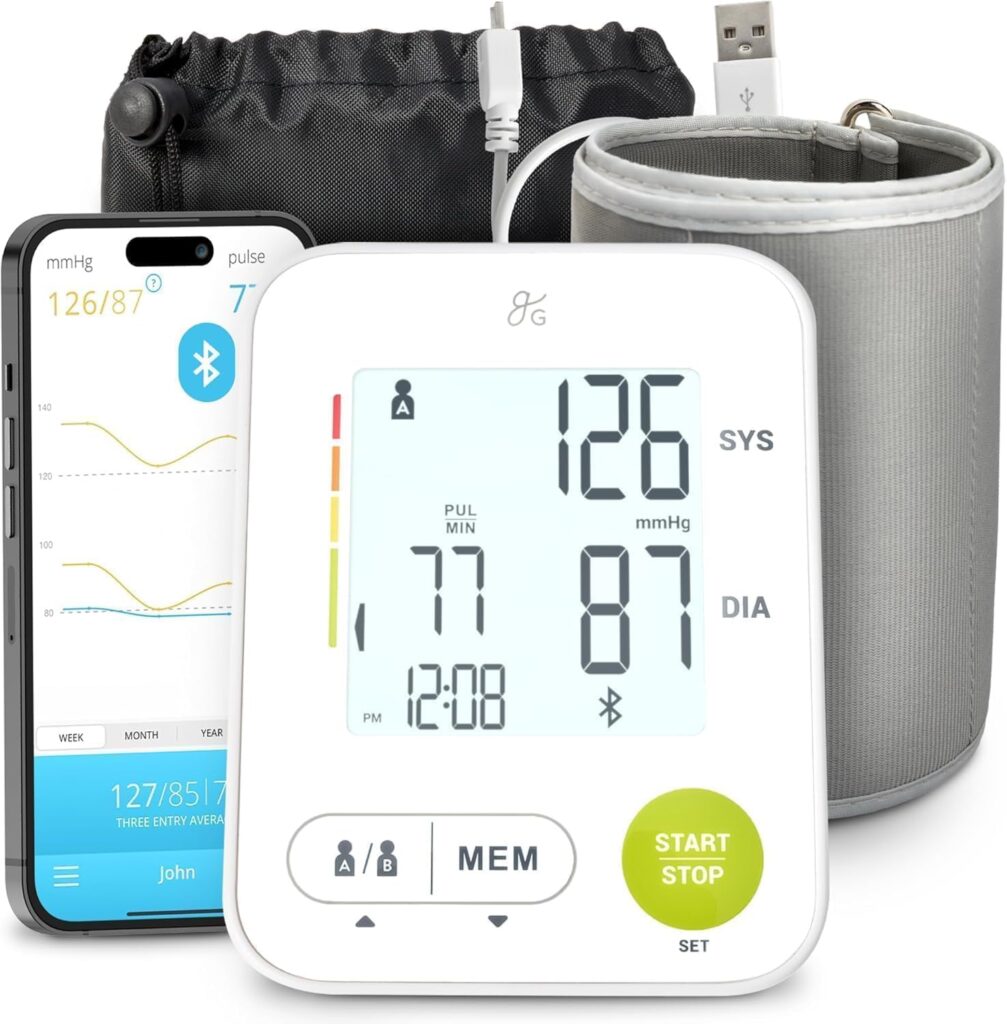
Best for people who want a more affordable validated upper-arm monitor with Bluetooth and app support.
Budget options in this category often cut corners on validation or usability. Greater Goods 0663 is more interesting because it offers a lower-cost entry point while still fitting the home tracking use case well.
This is the kind of option that makes sense for first-time buyers who want to start home monitoring without jumping immediately to a premium device.
Why We Like It
- Validated for clinical accuracy
- Bluetooth and app support
- Better than many budget options that lack validation
- Solid entry-level choice for home tracking
Potential Downside
This is more of a value pick than a premium experience. App quality and refinement are less compelling than Omron or Withings.
What to Look For in a Blood Pressure Monitor
The most important thing to look for is validated accuracy. A monitor can have excellent reviews and still not be a great choice if it has not been independently validated. For many Qualified Living readers, blood pressure is one part of a broader home tracking setup that may also include a smart scale, continuous glucose monitor, or ketone meter.
Upper-arm design
The best home blood pressure monitors are usually automatic upper-arm models. They are generally preferred over wrist devices for home tracking.
Correct cuff size
Cuff fit matters more than many people realize. A poorly sized cuff can make readings less useful.
Easy repeat use
The monitor should be simple enough that you will use it consistently.
Trend tracking
App syncing and stored readings make it easier to compare patterns over time.
Sharing and reporting
If you expect to discuss readings with a clinician, a monitor with clear logs or app-based reports is helpful.
How to Choose the Right Option for Your Goal
Choose Omron Evolv if…
You want the best overall combination of validated accuracy, portability, and low-friction daily use.
Choose Withings BPM Connect if…
You care most about smart features, a polished app, Wi-Fi syncing, and a more connected health-tech ecosystem.
Choose Omron 7 Series BP7360 if…
You want the safest all-around traditional pick with strong usability and better value than some premium models.
Choose A&D Medical UA-651BLE if…
You are worried about cuff fit and want more flexibility in cuff sizing options.
Choose Microlife BP B6 Connect if…
You like advanced screening features and want more data-oriented measurement tools.
Choose Greater Goods 0663 if…
You want a validated Bluetooth monitor at a more budget-friendly price point.
Blood pressure is influenced by multiple lifestyle factors, including sleep, stress, and electrolyte balance.
Magnesium is one of the key minerals involved, which you can learn more about in our guide to the best magnesium supplements for sleep and recovery.
FAQ
What is the best blood pressure monitor for home use?
For most Qualified Living readers, Omron Evolv is the best blood pressure monitor for home use because it combines validated accuracy, Bluetooth syncing, and a compact all-in-one design that makes consistent use easier.
Is an upper-arm blood pressure monitor better than a wrist monitor?
In most cases, yes. Upper-arm monitors are generally the preferred option for home use because they are typically more dependable when used correctly.
Why does cuff size matter so much?
A blood pressure monitor is only as useful as the reading it gives you. If the cuff size is wrong for your arm, readings can be less reliable, which is why cuff fit should be part of the buying decision.
Do I need an app-connected blood pressure monitor?
Not necessarily. But app syncing can make it much easier to review trends, save readings, and share data with a clinician.
How often should I check my blood pressure at home?
That depends on your goal and any clinician guidance, but in general, home monitoring works best when readings are taken consistently and compared over time rather than treated as one-off data points.
Can a blood pressure monitor help with metabolic health tracking?
Indirectly, yes. Blood pressure is not a metabolic marker in the same way glucose is, but it is still a useful part of a broader home tracking picture that may also include body weight, smart scales, continuous glucose monitors, ketone meters, and electrolyte support for a low-carb lifestyle.
Our Recommendation
Omron Evolv
If you want the best blood pressure monitor for home health tracking, Omron Evolv is the best place to start. It combines validated accuracy with one of the cleanest and least annoying form factors in the category. The real value of a home blood pressure monitor is not just technical capability. It is whether the device makes it easy enough to build a consistent routine around your health alongside other tracking tools like smart scales and continuous glucose monitors.
Final Verdict
The best blood pressure monitor for most people is Omron Evolv because it offers the strongest combination of validated accuracy, portability, and simple day-to-day use.
If you want the best smart ecosystem and automatic syncing, Withings BPM Connect is the strongest premium alternative. If you want better value in a more traditional format, Omron 7 Series BP7360 is the safest everyday choice.
For Qualified Living readers, the right monitor is the one that helps you measure consistently, use the right cuff, and turn occasional readings into a useful long-term health trend. If you are also building a broader home tracking stack, see our guides to smart scales, continuous glucose monitors, ketone meters, and electrolytes for low-carb support.